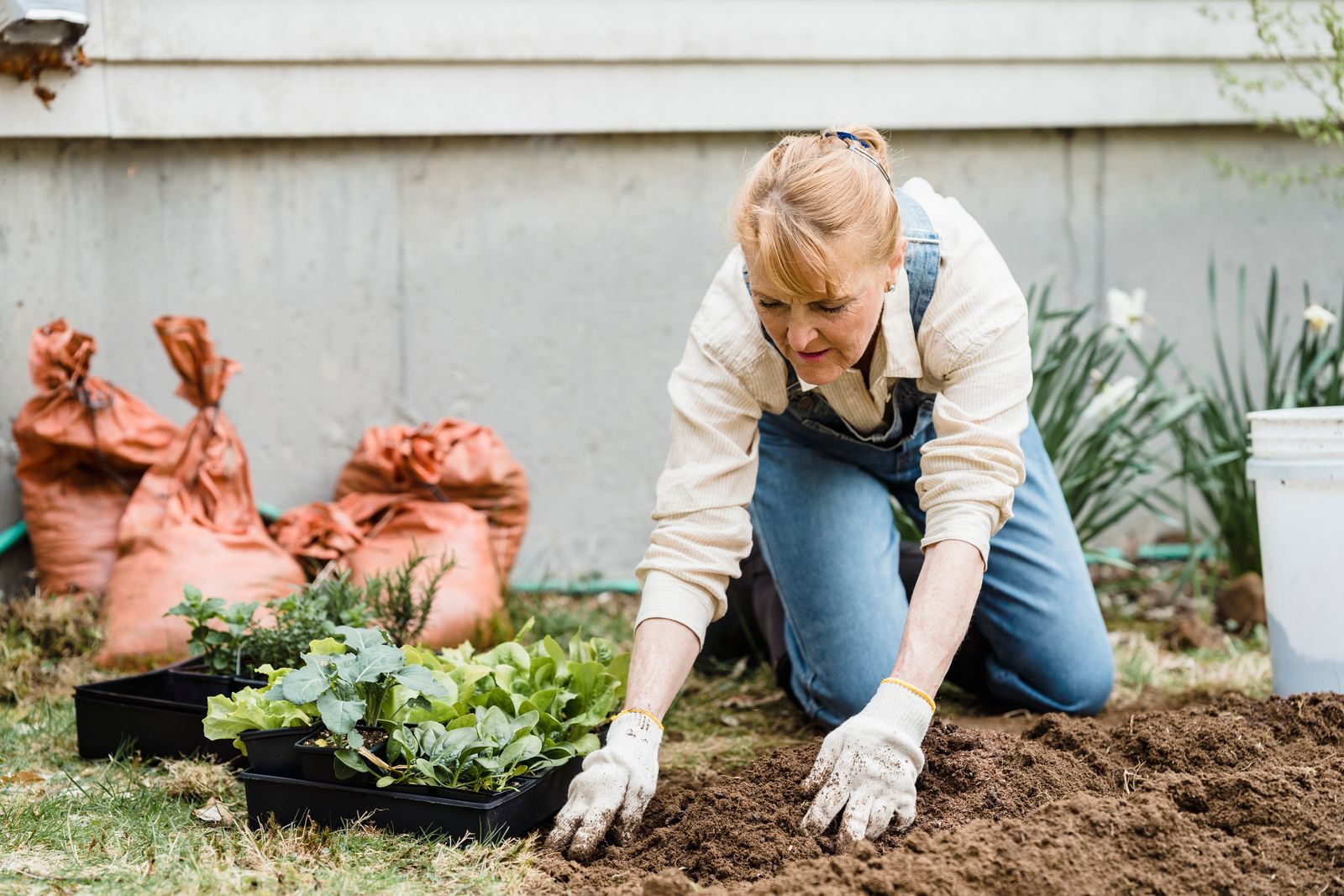
In an unexpected twist of fate, a military spouse turned base housing’s strict gardening policy into a flourishing botanical rebellion. After being informed that all plants had to go in the ground rather than in pots, the tenant found herself on a mission to cultivate oregano—an effort that would ultimately become a neighborhood phenomenon.
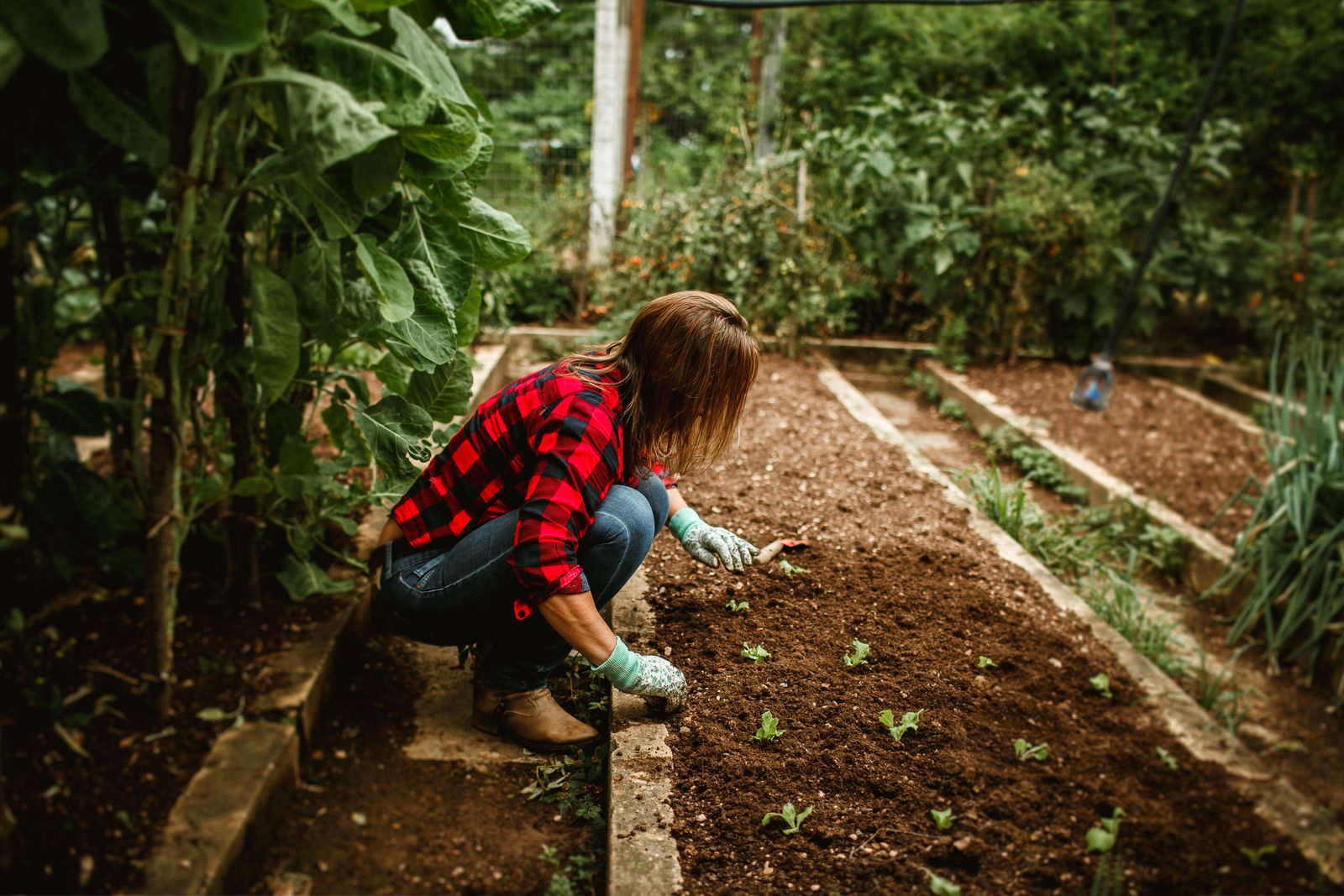
During the uncertainty of the pandemic, when many found solace in gardening, the homeowner initially pursued a modest garden consisting of basil, oregano, and tomatoes. However, in a surprising edict from base housing, she received a notice declaring that potted plants were not permitted. This ruling felt particularly frustrating given the history of unaddressed maintenance requests that plagued her living situation, including an oversized hornet’s nest and burst pipes.
“One, even if he DID pee in the house TODAY, that sound was [expletive] loud and it probably scared him,” the homeowner recalled, expressing her exasperation during a particularly accusatory conversation with housing officials. Her frustrations painted a vivid picture of her living conditions, illustrating a clash between bureaucratic rules and personal agency.
With her future at the base housing uncertain and an extended stay expected, the tenant decided to embrace the gardening edict in an unexpected way. Instead of viewing the rule as a limitation, she saw an opportunity to plant oregano that would thrive in the ground. Little did the housing authorities know, this would lead to an invasion of oregano that would outlast her residency.
In a matter of two years, the once-intended culinary herb transformed into an unstoppable botanical force. The tenant remarked that by the time she moved, the oregano was so prolific that it had “taken over half the front yard.” As she pulled up the mini dividers that once contained it, a sly satisfaction seeped into her thoughts. “You’re going to have to get REALLY creative to get rid of it,” she mused, fully aware of the challenges her successors would face.
Upon reaching out to a neighbor from her time in the housing unit, she discovered that a new family had since moved in. To her delight, the neighbor revealed that the new homeowner was ecstatic about the abundant oregano, indicating that her garden rebellion had a life of its own. The cycle of growth and rebellion was complete, as the tenant’s seemingly harmless gardening attempt resulted in a delightful surprise for the next residents.
Among readers who shared their thoughts on this quirky tale, many expressed admiration for the tenant’s creative approach to an otherwise stifling regulation. Some marveled at her ability to turn a mundane housing rule into a lasting legacy, while others found humor in the idea that what was intended as a straightforward gardening edict had transformed into a botanical curse of sorts.
Even comments referencing mint and strawberries revealed a wider appreciation for the unexpected joys and challenges of gardening in shared spaces. It seemed most agreed that creating a community through plants could yield more positive results than anyone anticipated. The tenant’s determination not only enhanced her living space but also left an imprint that would continue to grow long after she had departed.
As she reflected on her unconventional gardening journey, the tenant was more than just a homeowner; she had become an accidental horticulturalist, transforming a simple patch of earth into an enduring legacy. And with the new family now enjoying her once-tiny oregano garden, one can only imagine the flavor-packed dishes that would emerge from what began as a petty act of compliance.
More from Willow and Hearth:
Leave a Reply