Anyone who has waited on a permit knows the feeling: you are ready to go, but someone else has to say yes first. A homeowner at @heart.and.home.crew lives in a historic district, which meant that when she set out to makeover her backyard, she had to wait for approval of her plans. Rather than sit still, she turned her attention to the side yard, and the results are a lesson in making the most of a waiting period.
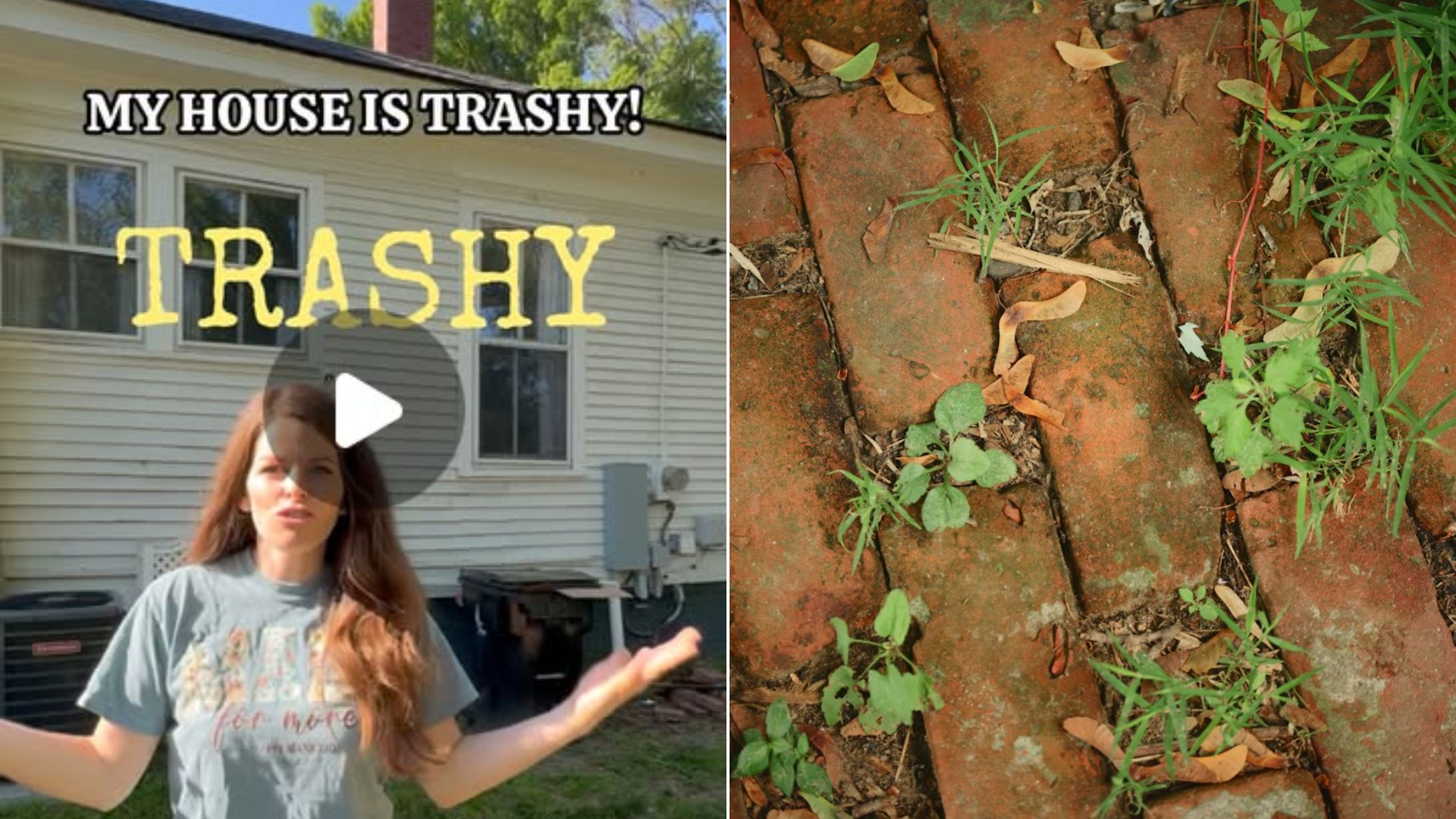
Her caption opens with a line that made us smile: her neighbors were embarrassed for her. About three months before the post, she says, she started the backyard makeover, but because of the historic district rules she had to wait for approval. She used the time to makeover the side yard by the garage, the strip that leads from the driveway to the backyard, and turned it into what she calls a secret garden.
Starting With the Trash Cans
She began with a garbage enclosure, saying goodbye to the ugly cans that had been sitting in view. In the video, she explains she was tired of her house looking trashy. Over several months, she worked on the side yard, adding plants, hiding the garbage and laying a brick path.
Then came the weather. A heat wave stopped the outdoor work, so she used the break to makeover part of her kitchen for a couple of weeks. When it was possible to work outside again, she rented a piece of heavy equipment to get going on the backyard, and the yard is now torn up. She adds that she found something in the garden, but the video does not reveal what it was, so we will have to wait for the next update to find out.
What Is a Historic District, and Why the Wait?
Historic districts are neighborhoods that a city or other authority has designated as having special historical or architectural value. In many of them, exterior changes may need to be reviewed by a local board or commission before work begins. That can include things like fences, additions, paint colors, windows and, in some places, landscaping features. The rules vary a great deal from place to place, and not every district looks at yard projects, so it is important to find out what applies where you live. We do not know the specifics of this homeowner’s district, and we will not guess.
Tips for Getting Approvals Smoothly
These are general ideas that many homeowners find useful when a review board is involved. They are not details from the video.
- Ask before you start. Contact your local planning or historic preservation office to ask whether your project needs review and what the process looks like.
- Read the guidelines. Many districts publish written design guidelines. Knowing them in advance can save time.
- Bring clear plans. Sketches, photos of the current space, materials lists and measurements help reviewers understand your proposal.
- Check the calendar. Boards often meet monthly, and there may be deadlines for submitting applications. Build that into your timeline.
- Be flexible. If the board asks for changes, a friendly attitude often helps get a yes more quickly.
- Talk to neighbors. Neighbors who have been through the process may offer practical advice.
- Do not start early. Doing work before approval can lead to delays or having to undo it. Get the answer in writing first.
Budget Friendly Yard Fixes While You Wait
One reason this story resonates is that it shows how much can be done in a small space without waiting for a big project. Here are some low cost ideas that gardeners and home improvement fans often suggest, once you have confirmed that they do not need review:
- Hide the trash cans. A simple screen or enclosure can change the whole look of a side yard.
- Add plants in layers. Tall plants at the back, mid size in the middle and low growers in front create depth even in a narrow space.
- Choose a path. Brick, pavers or gravel help guide visitors and make a narrow passage feel intentional.
- Look for secondhand materials. Reclaimed brick and salvaged lumber can save money and often suit older homes well.
- Clean first. Clearing weeds and debris, trimming overgrowth and a good sweep can freshen a space before you spend a dime.
- Add lighting. Small solar lights along a path can make a side yard feel welcoming at dusk.
Working in the Heat
The heat wave in her story is a reminder to be careful with outdoor projects in hot weather. Common safety advice includes working in the cooler hours of the morning, drinking plenty of water, taking breaks in the shade and paying attention to signs of heat illness such as dizziness, headache or nausea. And when you rent heavy equipment, it is wise to ask the rental company for instructions and to wear the right protective gear. Before digging, many places also offer a free service to mark underground utility lines, so look up the rules in your area.
The best part of this story is the attitude. Waiting is frustrating, but a determined homeowner can turn it into progress. If the neighbors were embarrassed at the start, we suspect they may be a little envious now. We look forward to hearing what turned up in the garden.
More from Willow and Hearth
- Inspector Nearly Cuts His Hand on the Railing of a $1.7 Million Home, and That Is Only the Start of the Hidden Defects He Uncovers Room by Room
- He Says He Scared Off Thieves By Charging At Them Waving His Arms Like An Orangutan, Then Leaving His Off Grid Land Unsecured Cost Eight Years Of Progress
- She Tore Up The Carpet To Reveal Hardwood Stairs, Hit Day Six Of Scraping Paint, And Now Says The Mistakes May Cost $8,000 To Fix
Leave a Reply